Learn more about bleed control

Learn More

Learn more about bleed control kits and how they can save lives

Resources & Information

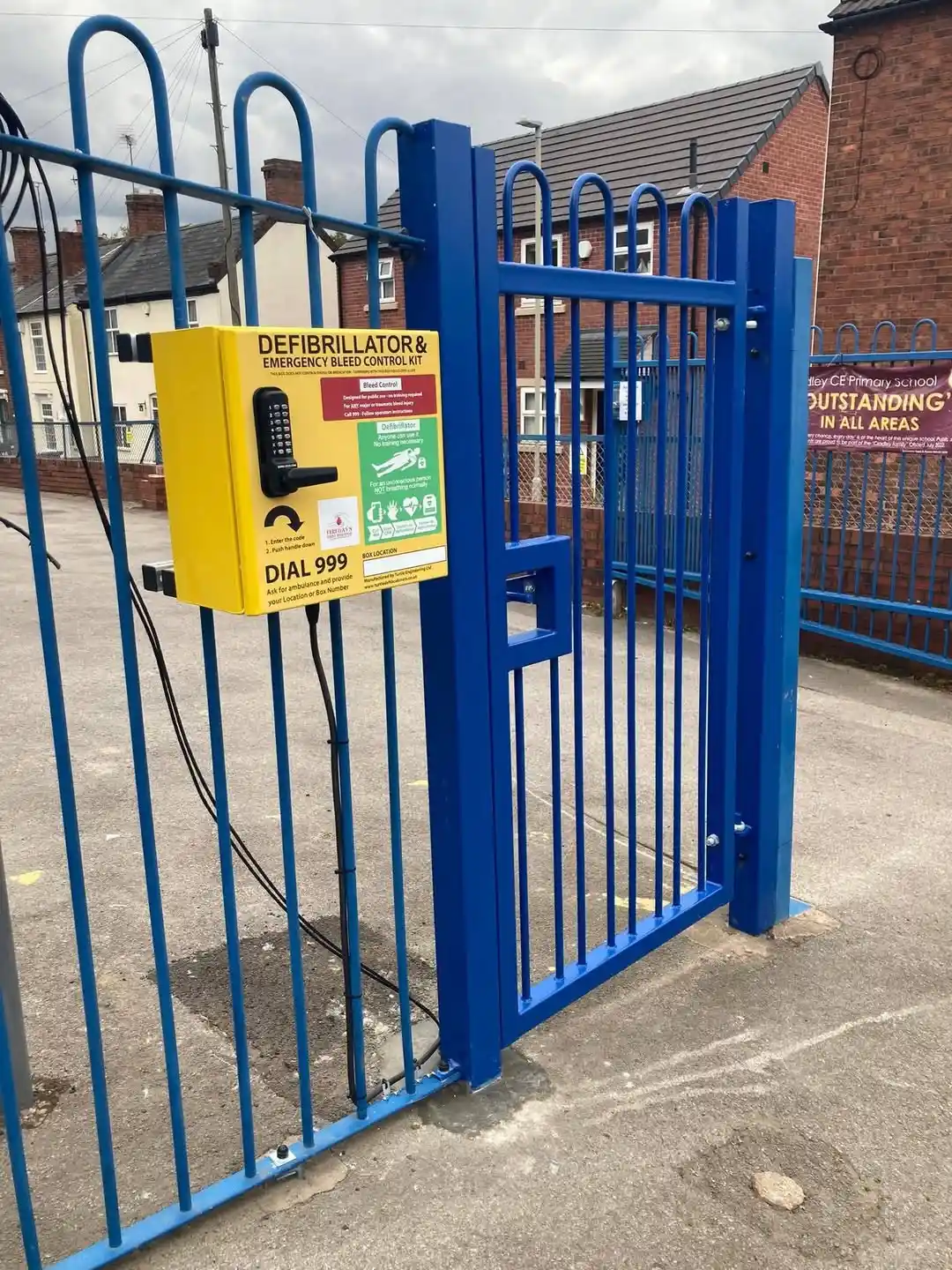
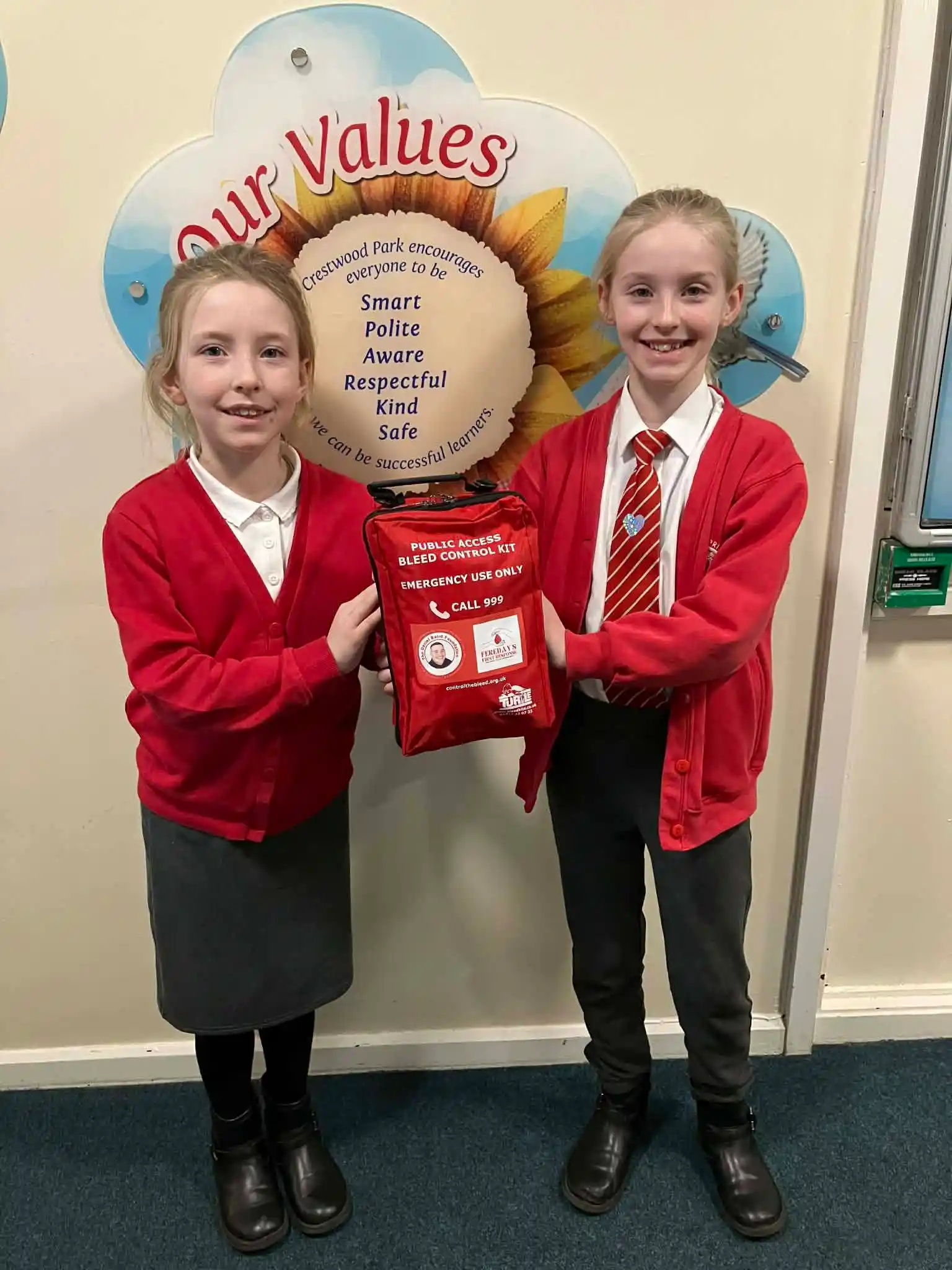
Defibrillator and bleed control kit at Cradley C of E Primary School

First donation of a defibrillator

We have successfully installed a combined Defibrillator and Bleed Control Kit unit at Cradley C of E Primary School. This installation provides immediate access to vital life-saving equipment for pupils, staff, and members of the public should it ever be needed.

Bleed control kit

What is a Bleed Control Kit?

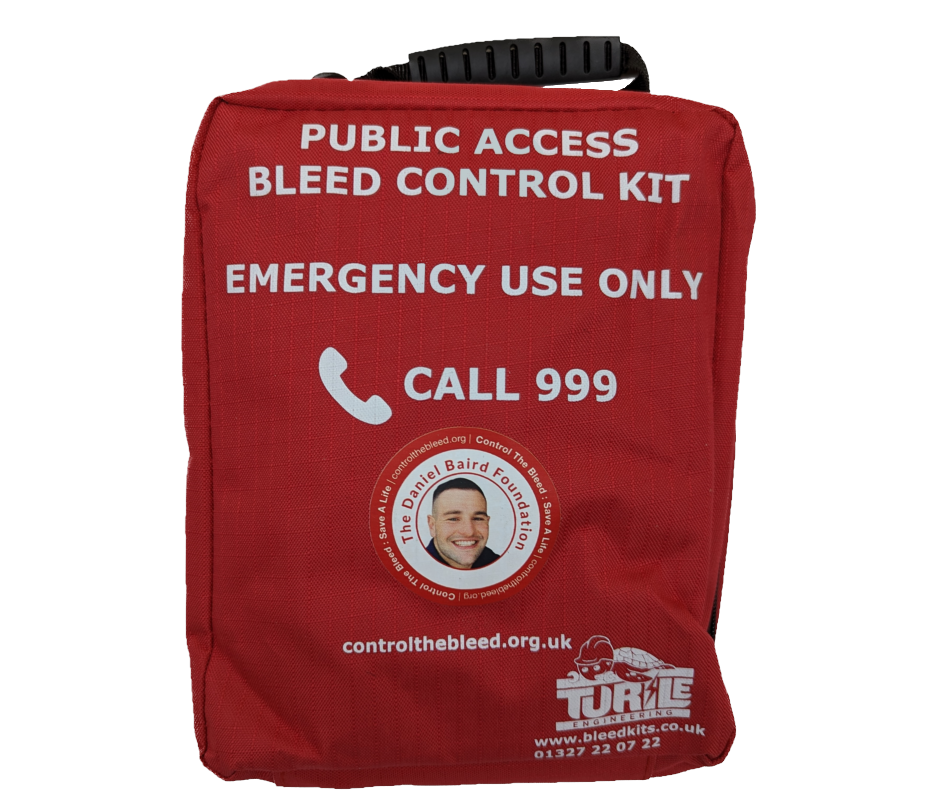
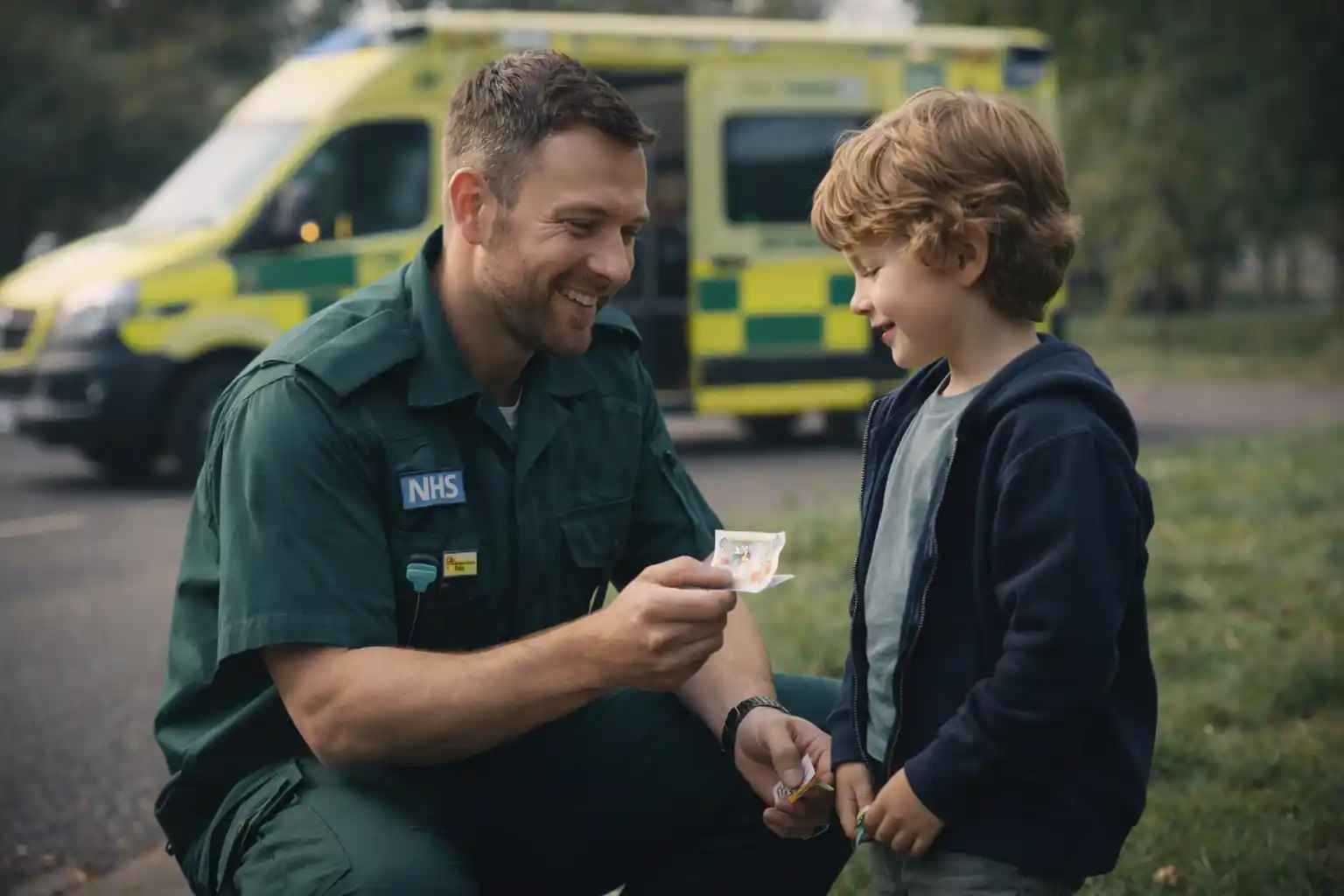
Bleed control kits (also known as trauma kits) contain essential equipment to control severe bleeding before professional help arrives. They typically include tourniquets, haemostatic gauze, chest seals, trauma dressings, and gloves. Each item is designed for use by trained staff or members of the public in an emergency—potentially saving a life in the critical minutes before an ambulance arrives.

Emergency response

Deaths in Children Due to Blood Loss

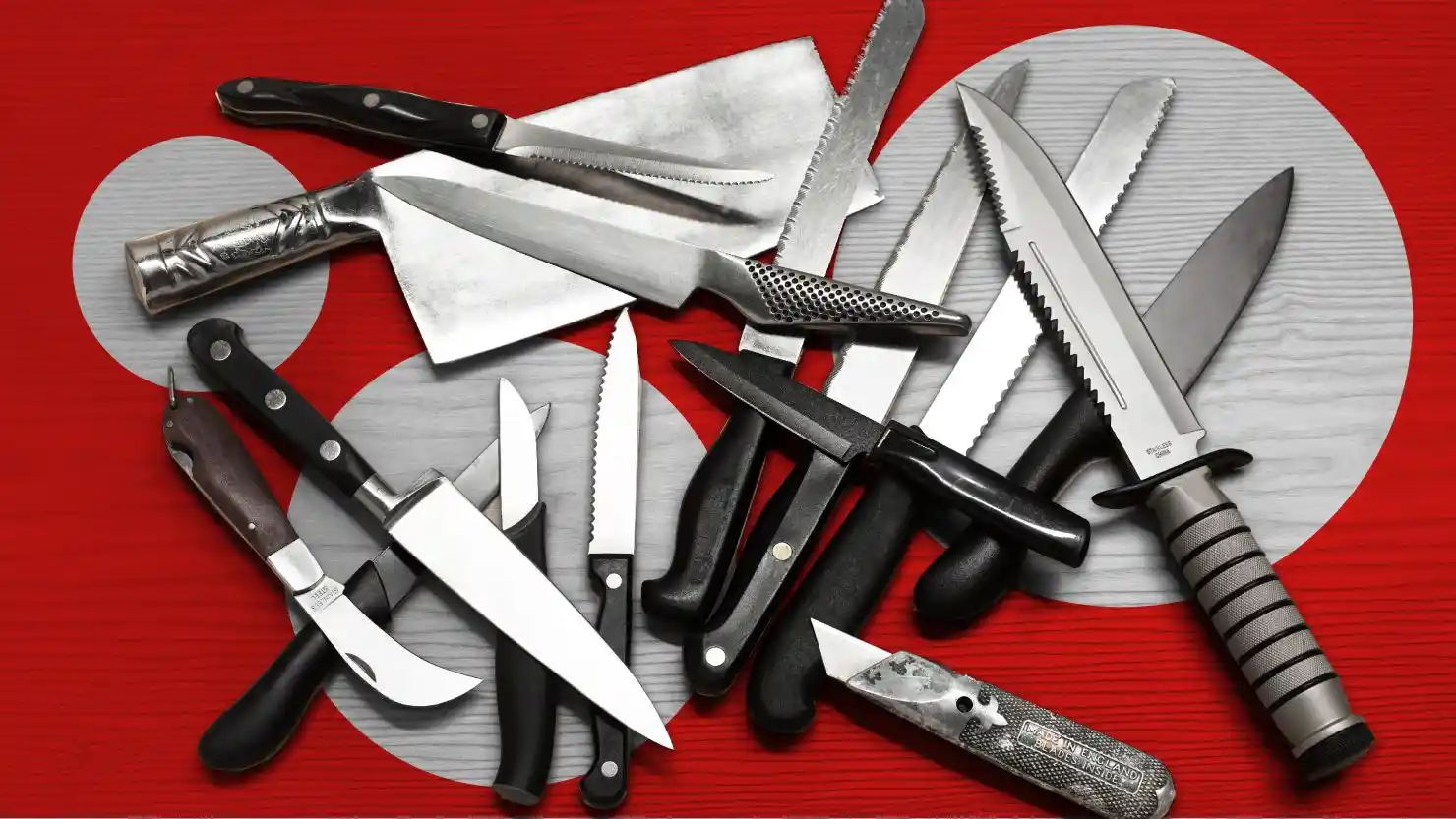
With the rise in knife crime across the UK, young people are increasingly at risk. Catastrophic bleeding from stab wounds or other trauma can lead to death in just 3–5 minutes. Children and teenagers are disproportionately affected. Having bleed control kits in schools means that in the event of an incident, staff can act immediately—buying precious time until emergency services arrive. Every kit placed could save a young life.

Understanding blood loss

Understanding Blood Loss: The Critical Window

A person can bleed to death in just 3–5 minutes.

The human body contains approximately 5 litres of blood. Losing more than 40% can be fatal. With catastrophic bleeding—such as from a major artery—death can occur within minutes. This is why immediate action is essential. Applying pressure, using a tourniquet, or packing a wound with haemostatic gauze can stem the flow and give someone the critical minutes they need to survive until an ambulance arrives.

Types of bleeding

Types of Bleeding & When to Act

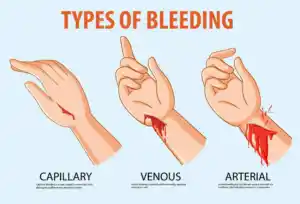
There are three main types of bleeding: arterial (bright red, spurting), venous (dark red, steady flow), and capillary (slow, oozing). Arterial bleeding is the most life-threatening. If you see severe bleeding that cannot be controlled with direct pressure, a tourniquet may be needed. Bleed control kits are designed for these situations—when every second counts and professional help is minutes away.

Schools and bleed kits

Why Schools Need Bleed Kits

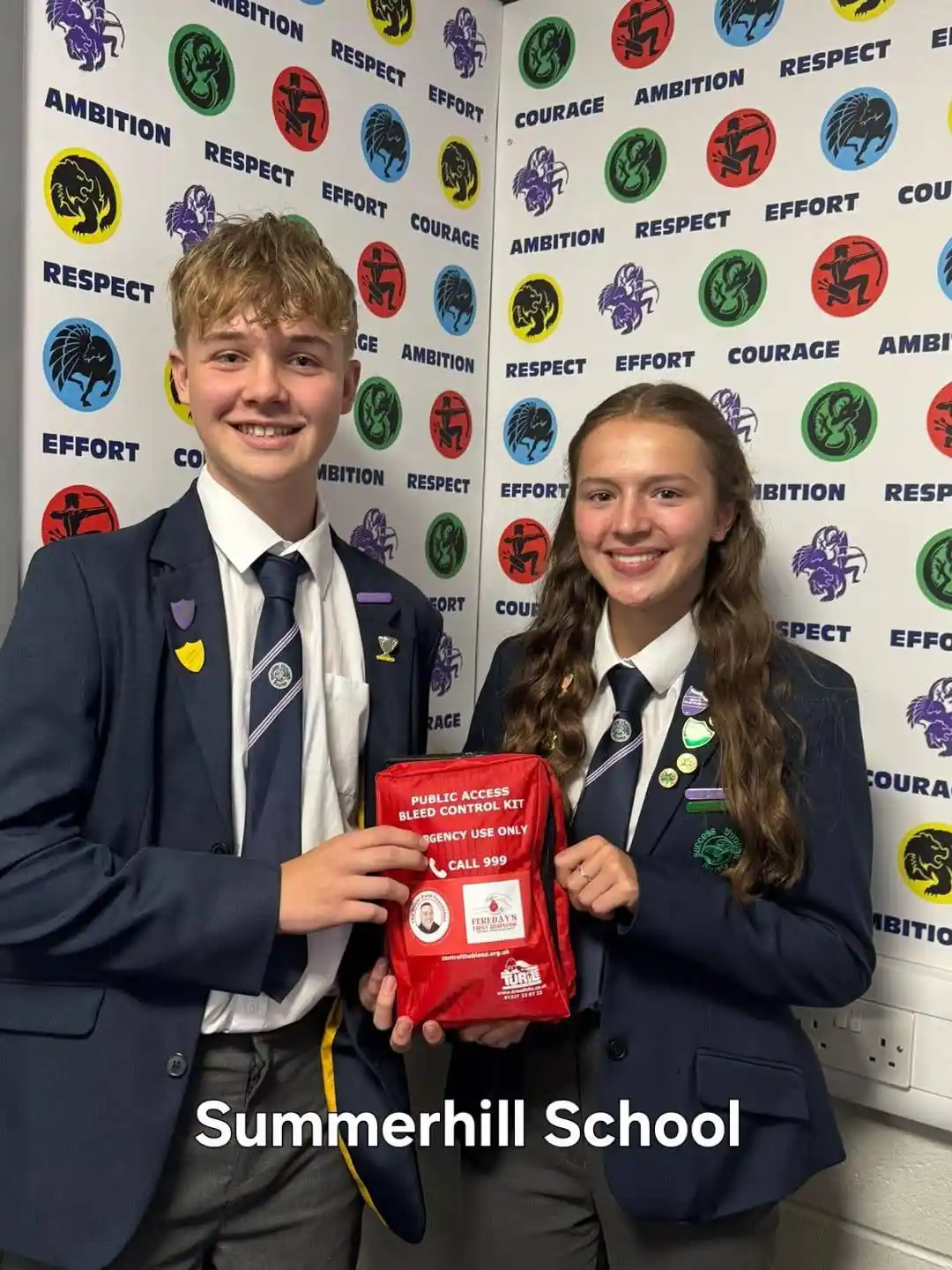
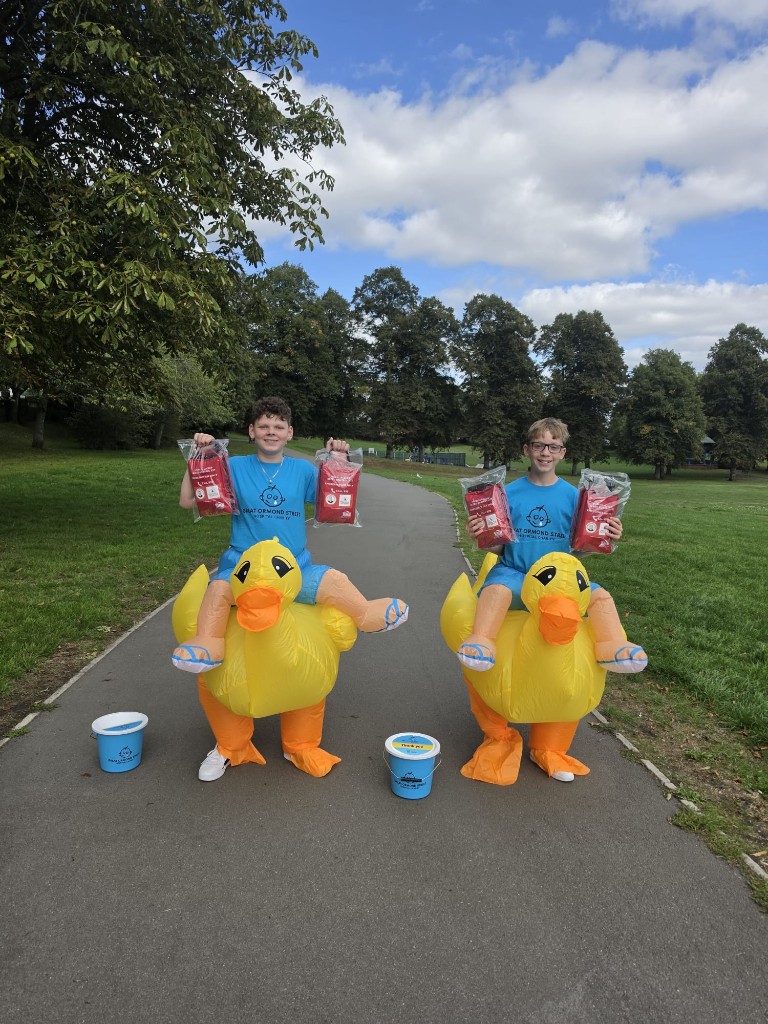
Schools are community hubs where children spend most of their day. With knife crime affecting young people, having bleed control kits in secondary schools is a practical, life-saving measure. Staff trained in basic bleed control can act in the first critical minutes. Fereday's First Response is working to get kits into as many schools as possible—because no child should die from a preventable death when help could have been at hand.

Community and safety

Knife Crime & the UK: The Reality

Knife crime in the UK has reached record levels in recent years. Young people are often both victims and perpetrators. In many incidents, prompt first aid could have made the difference between life and death. Bleed control kits in public places—including schools, community centres, and high streets—are part of a wider strategy to save lives. Every kit donated is a step towards a safer community.